DoT Tightens SIM Rules as India Steps Up Checks on Mobile Connections
New Delhi, Aug 20: The Department of Telecommunications (DoT) has moved to strengthen enforcement of India’s existing limit on mobile connections, directing telecom operators to prevent customers from obtaining additional SIM cards once they reach the permitted ceiling.
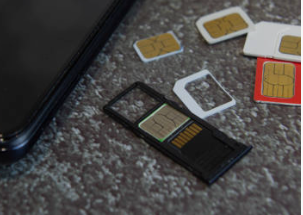
Pic Credit: Pexel
From August 24, 2026, telecom service providers will be required to put technical and organisational systems in place to identify subscribers who already have the maximum number of connections and refuse fresh applications beyond the limit.
Under the existing framework, an individual can generally hold up to nine mobile connections across telecom operators and licensed service areas. The limit is lower at six connections in Jammu and Kashmir, Assam and the North-Eastern region. The latest directive is aimed at ensuring that this existing ceiling is followed more consistently.
The DoT will use its Digital Intelligence Platform (DIP) to help telecom companies identify subscribers who have already reached the permitted number of connections. From August 23, representative subscriber images for people who have reached the limit will also be made available to operators through the platform.
The move could have its biggest impact on people who have accumulated several mobile numbers over the years, including users who may have forgotten about old or unused connections registered in their names. Such customers could face difficulties when applying for a new SIM if their existing connections already take them to the permitted limit.
For most mobile users with one or a few active numbers, the change is unlikely to create any immediate difficulty. However, the tighter verification system makes it increasingly important for consumers to keep track of SIM cards registered against their identity.
The government’s broader objective is to strengthen accountability in the telecom ecosystem. Mobile numbers are closely linked with banking, digital payments, online accounts and identity verification, making accurate subscriber records increasingly important for preventing misuse.
The new verification mechanism could also make it harder for individuals to obtain large numbers of mobile connections using the identities of other people. The government has been strengthening digital systems to help detect telecom-related misuse and improve coordination between operators and authorities.
There will be a transition period as operators integrate their systems with the government platform. The DoT has asked telecom companies to streamline the process with the DIP by November 30, 2026. Until the systems are fully implemented, a connection activated beyond the permitted limit may be suspended while the subscriber’s status is resolved.
The significance of the move extends beyond limiting the number of SIM cards. As India becomes increasingly dependent on mobile connectivity for financial transactions, government services and digital communication, stronger control over subscriber identity can contribute to a safer digital environment.
For consumers, the message is straightforward: keep only the mobile connections you need, and ensure that every SIM registered in your name is known to you and properly accounted for.
The latest DoT directive represents a move towards tighter SIM verification and a more accountable telecom system, while giving genuine users greater clarity over the mobile connections linked to their identity.